Round Glass Wall Lights – How to Choose
09/01/2026 08:43:47
BLOG

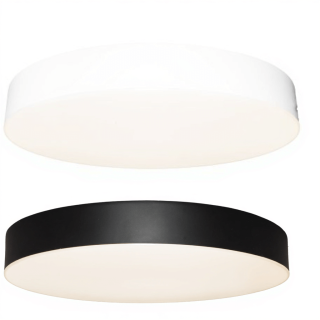
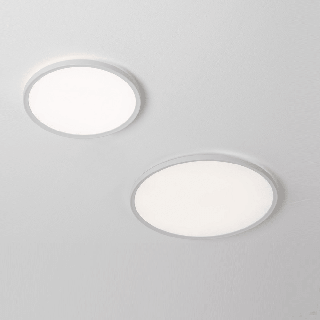
LED flush-mount ceiling lights are one of the most versatile interior lighting solutions: they provide even, comfortable illumination, don’t visually overwhelm the space, and work especially well wherever a low-profile fitting and clean, modern aesthetic matter. In this category you’ll find LED flush mounts for both residential and commercial interiors—from compact models for hallways to larger ceiling lights designed for living rooms.
1) Which room is it for?
2) What colour temperature do you want?
3) How much light do you need?
If you want strong, primary illumination, choose models with a higher lumen output. For ambient or supplementary lighting, lower-lumen fixtures—or dimmable versions—are a great fit.
There are 665 products.
sortSort by:
An LED flush-mount ceiling light is a modern lighting fixture that uses LED diodes as the light source. It features a low profile, which makes installation easier and helps save space—especially in rooms with lower ceilings.
Available in many shapes and sizes, an LED flush mount is a versatile solution for the living room, kitchen, or bathroom. LEDs are known for energy efficiency and long service life, making them a practical alternative to traditional light sources.
LED flush-mount ceiling lights combine energy efficiency, durability, and aesthetics. LEDs can use several times less electricity than traditional light sources, helping reduce energy bills. Their service life can reach up to 50,000 hours, so replacements are needed far less often.
Another advantage is the wide range of designs. Simple forms complement minimalist interiors, while more decorative models work well in classic arrangements. A broad palette of colours and a variety of shapes make it easy to match the fixture to any room.
Modern LED flush mounts can also include additional features such as smart control or motion sensors. These solutions improve everyday convenience and provide better control over energy use, which is particularly valuable in frequently used areas.

LED flush-mount ceiling lights are made from materials that determine both durability and appearance. Aluminium is commonly used because it is lightweight and dissipates heat very effectively, which supports longer LED lifespan. Metal offers a modern look and high resistance to damage.
Acrylic is also widely used, giving fixtures a refined character and ensuring even light diffusion. Plastics, in turn, enable a wide range of shapes and forms while remaining lightweight and practical for daily use.
Thanks to this material selection, an LED flush mount can serve both a decorative and functional role, fitting a variety of interior styles.
LED flush-mount ceiling lights are available in many variants, making it easy to match them to different interior styles. Classic models feature subdued colours and simple forms, so they pair well with elegant arrangements. Minimalist flush mounts are defined by clean lines and subtle colour schemes, making them ideal for modern spaces.
Contemporary designs also include more distinctive shapes, such as squares and circles, as well as bold colours that can give rooms a more individual character. Regardless of the model, every LED flush mount combines functionality with aesthetics and works well as practical everyday lighting.
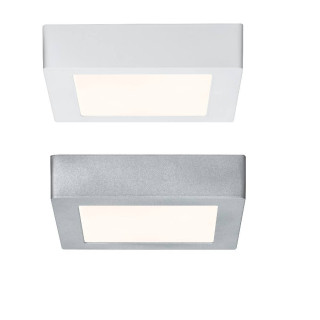
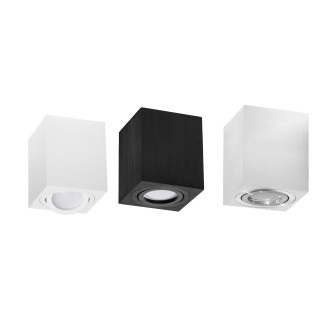
LED flush-mount ceiling lights offer a wide selection of forms, so you can adapt them to virtually any interior concept. The most common shapes are squares, circles, and rectangles, which work well in both modern and classic interiors.
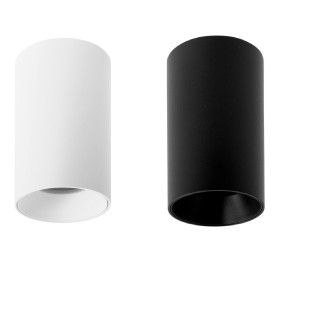
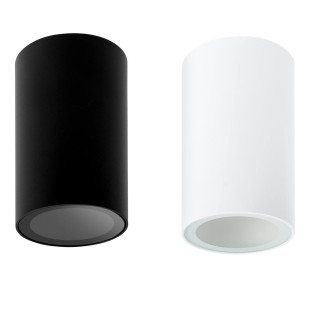
The colour range is equally broad—from universal whites and blacks to more expressive shades that give a room a distinctive character. Combined with contemporary design, this makes it possible to create unique decorative effects and align lighting with current trends.
An additional advantage is the high efficiency of LED technology, which combines an attractive appearance with practical performance in any room.
LED flush-mount ceiling lights are highly versatile, which is why they are used across many spaces—from living rooms and dining areas to kitchens and bathrooms. They provide even illumination that supports everyday comfort and helps create a pleasant atmosphere throughout the home.
The ability to adjust brightness and colour temperature allows you to tailor lighting to the interior and current needs—from warm, ambient light in the bedroom to bright, functional light in the kitchen or home office. As a result, an LED flush mount works well both as a main light source and as a design element that complements the overall arrangement.
An LED flush-mount ceiling light works wherever you need even, comfortable illumination. It is most commonly used in living rooms, dining rooms, kitchens, and offices, where it serves as the primary light source.
When choosing a model, consider ceiling height. In rooms with higher ceilings, larger and more powerful flush mounts tend to perform better, ensuring adequate brightness. Interior style also matters—thanks to diverse designs, modern LED flush mounts can integrate seamlessly into minimalist arrangements as well as more classic spaces.
LED lighting—including flush-mount ceiling fixtures—works in almost every type of room. In the living room, dining area, and kitchen, it provides bright, even light that supports daily activities. In the bedroom, softer colour temperature and brightness settings help create a relaxing atmosphere.
In office spaces, LED flush mounts support focus and improve working comfort, especially with neutral or cooler white light. In bathrooms and hallways, LED lighting combines functionality with aesthetics, offering durability and resilience under intensive use.
Another key advantage is energy efficiency—an LED flush-mount ceiling light reduces electricity consumption and delivers long-lasting performance, which matters both practically and economically.
An LED flush-mount ceiling light significantly influences how a room feels. Colour temperature plays a central role: warm tones add cosiness and support relaxation, making them a strong choice for living rooms and bedrooms. Cooler tones can improve concentration, which makes them suitable for offices and work areas.
With dimming capability, LED flush mounts allow you to create different moods—from intimate and calming to bright and energising. This makes lighting not only functional but also decorative, adding character and style—an effect that can be further enhanced by the interior solutions offered by the manufacturer AQFORM.

Installing LED flush-mount ceiling lights requires care and adherence to safety rules to ensure reliable long-term operation. The basics include securely fixing the fixture to the ceiling using screws and wall plugs, and verifying that the electrical installation meets applicable standards.
Correct wiring and proper insulation are essential, as they protect the system from short circuits and support longer service life. Using high-quality mounting accessories ensures structural stability and safe everyday use.
Surface-mounted installation of an LED flush-mount ceiling light involves attaching the fixture directly to the ceiling surface. Screws and wall plugs are used to ensure the stability of the entire assembly.
Before installation, choose the location so the light spreads evenly across the space. Proper electrical connections and insulation are critical, as they help prevent faults.
Secure fixing ensures safety and durability, and the process is typically quick and does not require complex construction work. This is why surface-mounted installation works well both in new interiors and when upgrading existing spaces.
LED flush-mount ceiling lights combine high energy efficiency with long service life. LEDs can use up to 80% less energy than traditional light sources, which translates into real savings on household electricity bills.
Their lifespan exceeds 20,000 hours of operation, so they do not require frequent replacement. This makes an LED flush mount not only an economical choice but also a more environmentally friendly one.
Energy efficiency and reliability are key reasons why LED flush mounts are becoming increasingly popular in modern interiors.
An LED flush-mount ceiling light can significantly reduce electricity expenses. LEDs are highly efficient and can use up to 80% less power than traditional bulbs. This means a larger share of energy is converted into light rather than heat, resulting in tangible savings in everyday use.
Another advantage is the long lifespan of LEDs, which can operate for more than 20,000 hours without needing replacement. As a result, investing in an LED flush mount is financially beneficial and more environmentally responsible.
LEDs used in flush-mount ceiling lights are exceptionally durable. They can operate from 20,000 up to even 35,000 hours, making them several times more long-lasting than traditional light sources.
With this lifespan, an LED flush mount provides reliable, long-term illumination without frequent replacement of components. It is a solution that combines savings with convenience and also reduces waste, which supports environmental goals.
LED flush-mount ceiling lights are available in different energy classes that indicate their efficiency and impact on power consumption. The scale includes ratings from A++ to E—the higher the class, the lower the energy use and the greater the savings.
Choosing models rated A++ or A+ helps ensure lower bills and longer fixture lifespan. These solutions are also more environmentally friendly, as they reduce CO₂ emissions and limit waste associated with more frequent lighting replacement.

LED flush-mount ceiling lights—like LED wall sconces offer a wide range of designs, making them suitable for many interior concepts, from minimalist lofts to classic spaces. Currently, simple shapes such as squares and circles are especially popular, reinforcing a contemporary look.
Many models allow you to choose colour temperature and adjust brightness, which helps create distinctive decorative effects. Eco-friendly materials and technologies are also increasingly common, combining attractive design with energy efficiency.
As a result, an LED flush mount becomes not only a functional light source but also a feature that adds elegance and a personal character to an interior.
Thanks to diverse forms and colour options, LED flush mounts fit many interior styles. In modern and minimalist interiors, clean geometry and subdued colours emphasise functionality and a sense of spaciousness.
In rustic arrangements, the gentle light of LED flush mounts adds warmth and enhances natural materials such as wood or stone. In glamour interiors, these fixtures can serve as an elegant accent, complementing crystals or gold-toned finishes.
They also work well in modern classic spaces, where traditional shapes meet LED technology to create a balanced blend of classic and contemporary.
LED flush mounts offer broad possibilities for decorative effects. With a range of shapes, colour options, and adjustable colour temperature, you can create arrangements that match the character of the interior.
Adjustable brightness and colour temperature help set the mood—from warm, relaxing light to bright, neutral light ideal for work. This makes an LED flush mount both practical and visually impactful, highlighting interior details or defining relaxation zones.
Modern LED flush mounts are designed with an emphasis on simplicity and refined aesthetics. Low-profile models are increasingly popular, blending subtly into the space and reinforcing a modern interior character.
Natural and eco-friendly materials are also more common, reflecting the growing importance of sustainable design. Another strong trend is combining aesthetics with energy efficiency—today’s LED flush mounts are not only visually appealing but also support energy savings and long system life.
With a wide selection of shapes and patterns, it is easy to match a flush mount to current design requirements, making it—like magnetic lighting systems—a versatile element of contemporary interiors.

Today’s LED flush-mount ceiling lights incorporate innovative solutions that improve comfort and functionality. Automatic control makes it possible to adjust brightness to current needs, improving overall energy efficiency.
Motion sensors are also increasingly used, switching the light on only when needed, which further reduces energy consumption. These technologies make an LED flush mount a modern, convenient, and environmentally friendly lighting solution.
Automatic control in LED flush mounts enables adjustment of brightness and colour temperature based on user preferences. Operation is handled via a remote control or a mobile app, allowing quick changes for work, relaxation, or social gatherings.
With scheduling features, you can plan when the light turns on and off, which further helps reduce energy use. These solutions improve everyday convenience and support energy efficiency in routine use.
LED flush mounts can be equipped with different types of motion sensors that automate lighting control and improve energy savings. The most common are:
These solutions work particularly well in hallways, bathrooms, and other areas where lights are switched on frequently for short periods. With motion sensors, an LED flush-mount ceiling light operates only when needed, improving comfort and reducing power consumption.
Choose a flush mount by lumens (lm), not watts. The simplest method is: lumens = floor area (m²) × target lux. For general home lighting, 100–150 lm/m² can be treated as a minimum, but in practice 200–500 lm/m² is more common, with kitchens and task areas typically requiring higher output. Example: 12 m² × 300 lm/m² = about 3,600 lm as a solid baseline from the ceiling; if you prefer brighter light or have dark walls, increase the output or choose a dimmable model.
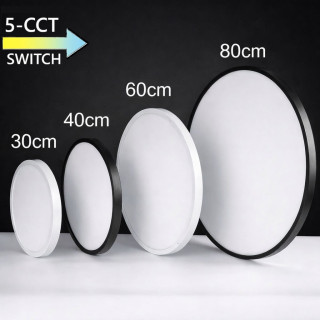
Match colour temperature to the room’s function. 2700–3000K (warm white) creates the most “home-like” ambience and usually suits living rooms and bedrooms best. 4000K (neutral white) is the most universal choice for everyday tasks and is often selected for kitchens, hallways, and home offices. 5000–6500K (cool white) is best treated as a technical tone: it can make spaces feel “crisper,” but it may be perceived as too cold in relaxation zones. If you do not want to commit to one tone, choose a model with CCT adjustment.
Yes—CRI matters because it affects how accurately you see colours such as skin tones, food, wood, and fabrics. For most home applications, choose CRI ≥ 80 as a safe standard. If colour quality is important (kitchen, wardrobe, bathroom mirror, makeup, hobbies), aim for CRI ≥ 90. If you are deciding between “more lumens” and “better CRI,” prioritise comfortable brightness first, then choose the highest CRI your budget allows.
If you want easy servicing, choose a fixture with replaceable bulbs (for example, E27 or GU10), because you can swap the bulb in minutes. Integrated LED is best when low profile, even light distribution, and pre-defined parameters (lm/K/CRI) matter most. However, if it fails, the issue is often the driver or LED module, and with lower-cost models it may be more practical to replace the entire fixture.
Choose IP based on real exposure to water, not just the fact that the room is a bathroom. If the fixture may be exposed to splashes, IP44 is commonly treated as the minimum. If it can be exposed to direct water spray (for example, near a shower) or conditions are more demanding, IP65 is often preferred. The closer to water and the harsher the conditions (steam, frequent condensation, cleaning), the more justified a higher IP rating becomes.
See bathroom flush-mount ceiling lights with enhanced IP protection.
You can dim it only if the fixture is clearly specified as dimmable or includes its own control system (remote, app, or smart platform). The most common cause of problems is using an older dimmer designed for incandescent or halogen bulbs, which can result in flicker, buzzing, or poor dimming performance. If you want wall-switch dimming, choose an LED-compatible dimmer, match it to the load type and wattage, and follow the fixture or driver manufacturer’s recommendations.
The usual causes are: incompatible control (dimmer, sensor, electronic switch), loose wiring connections (especially neutral), or a worn driver that performs worse as it warms up. A simple first diagnostic step is to connect the fixture to a standard on/off switch without dimming; if the flicker disappears, the issue is control compatibility. If flicker increases after a few minutes, suspect driver issues or overheating.
This is typically caused by leakage currents and electronics in the circuit—an illuminated switch, some dimmers, sensors, or the capacitance of long wiring runs can supply a tiny current that makes LEDs glow. If the effect is constant and bothersome, the usual fix is switching to LED-compatible controls or having an electrician adjust the installation, because safety and proper component selection matter at 230V.
Switch off power and always support the diffuser with one hand. With spring clips or snap clips, the diffuser typically comes off by pulling evenly and releasing one attachment point; with bayonet designs, you often need a gentle twist before lowering it. If you feel hard resistance, do not force it—there is usually a hidden latch or lock, and excessive force can crack the diffuser.
Start with the basics: a fresh remote battery, distance, interference, and—if it is app-based—connectivity and permissions. The most effective approach is a “power cycle”: switch power off for several to a few dozen seconds, turn it back on, and immediately follow the pairing sequence for that specific model (often within a short time window after power-up). If the fixture repeatedly loses pairing or works only at very close range, suspect interference, a weak receiver, or unstable driver performance.

See also:
check_circle
check_circle